What is an Effluent Treatment Plant (ETP)?
An Effluent Treatment Plant (ETP) is a wastewater treatment system designed to treat industrial effluent generated from manufacturing and other industrial processes. It removes pollutants, suspended solids, organic matter, chemicals and other contaminants before the treated water is discharged or reused.
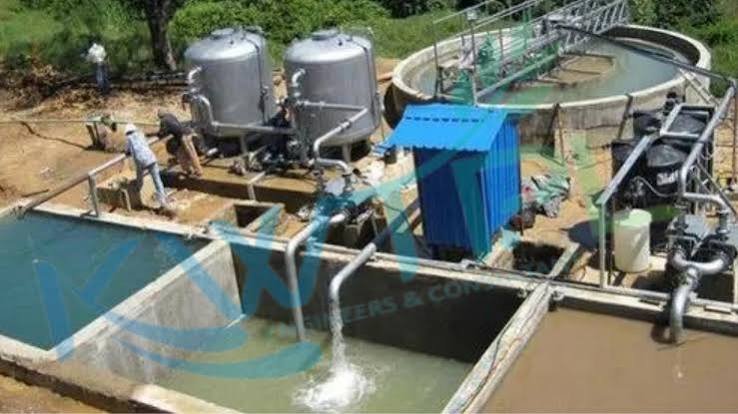
How Does an Effluent Treatment Plant Work?
An ETP generally uses multiple treatment stages to reduce different types of pollutants from industrial wastewater.
Preliminary Treatment
The incoming effluent passes through screens and other preliminary units to remove large solids, plastics, debris and other coarse materials.
Primary Treatment
Physical and chemical treatment processes are used to remove suspended solids, oil, grease and other settleable pollutants. Coagulation, flocculation and clarification may be used depending on the effluent characteristics.
Secondary Treatment
Biological treatment reduces dissolved and biodegradable organic matter present in the wastewater. Microorganisms help break down organic pollutants and improve the quality of treated water.
Tertiary Treatment
Advanced treatment processes are used to further improve water quality by removing remaining suspended solids, colour, nutrients and other contaminants. Filtration, disinfection and other advanced processes may be included.
Sludge Treatment & Disposal
Sludge generated during the treatment process is collected, dewatered and managed appropriately for safe handling and disposal as per applicable requirements.
Benefits of Effluent Treatment Plants
- Reduces industrial water pollution
- Removes harmful contaminants from wastewater
- Helps industries meet discharge standards
- Supports wastewater reuse and recycling
- Protects the environment and water resources
- Reduces the impact of industrial effluent
- Improves overall wastewater management
- Supports sustainable industrial operations
Applications of Effluent Treatment Plants
ETP systems are commonly used in industries that generate wastewater during their manufacturing or processing activities.
- Textile and dyeing industries
- Pharmaceutical industries
- Chemical industries
- Food processing industries
- Dairy industries
- Distilleries
- Automobile industries
- Manufacturing industries
Effluent Treatment Plant Cost in Pune
The cost of an ETP in Pune depends on several factors, including wastewater flow rate, effluent characteristics, treatment capacity, required treatment technology, automation level, equipment selection and installation requirements.
A customized ETP design helps provide effective wastewater treatment while optimizing installation, operation and maintenance costs.
Why Choose an Effluent Treatment Plant?
Industrial wastewater can contain chemicals, suspended solids, organic matter and other pollutants that require proper treatment before discharge or reuse. An appropriately designed ETP helps industries manage their wastewater efficiently and reduce environmental impact.
It also supports regulatory compliance, wastewater reuse and more sustainable industrial operations.
ETP Solutions in Pune
TMS Water Solutions provides customized Effluent Treatment Plant solutions for different industrial applications. ETP systems are designed according to wastewater characteristics, flow rate, treatment requirements and site conditions to achieve effective and reliable wastewater treatment.
Conclusion
An Effluent Treatment Plant is an essential wastewater management solution for industries generating contaminated effluent. Through appropriate physical, chemical and biological treatment processes, an ETP can reduce pollutants, improve treated water quality and support environmental protection.
Looking for an Effluent Treatment Plant in Pune?
Get in touch with TMS Water Solutions to discuss your industrial wastewater characteristics, treatment capacity and ETP requirements.