What is a Water Softener Plant?
A Water Softener Plant is a water treatment system designed to reduce hardness caused by calcium and magnesium minerals present in water. Hard water can cause scaling in pipelines, boilers, heating equipment and other water-based systems.
Water softening helps improve water quality, protect equipment, reduce scale formation and support efficient water usage in residential, commercial and industrial applications.
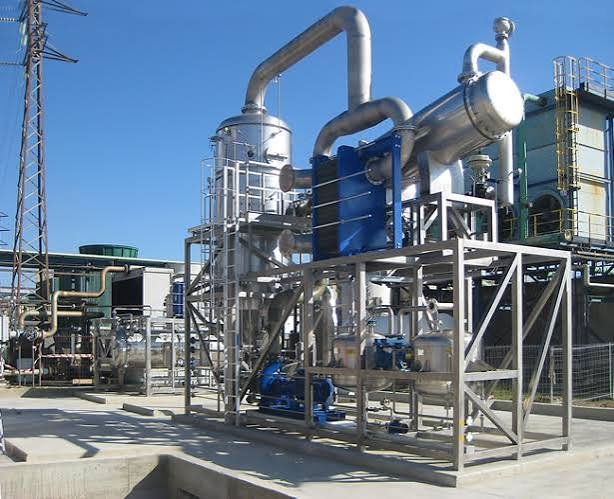
How Does a Water Softener Plant Work?
A water softener plant generally uses an ion-exchange process to remove hardness from water. The exact system design depends on the water quality, flow rate and application requirements.
Raw Water Inlet
Hard water enters the water softener system and passes through the treatment vessel containing specially designed ion-exchange resin.
Ion Exchange Process
The resin exchanges calcium and magnesium ions present in hard water with sodium ions. This reduces the hardness level of the treated water.
Soft Water Outlet
After the softening process, treated soft water is supplied for use in industrial processes, boilers, cooling systems, cleaning and other suitable applications.
Regeneration
Over time, the resin becomes saturated with hardness-causing ions. A regeneration process using a salt solution restores the resin’s softening capacity and prepares the system for the next operating cycle.
Benefits of Water Softener Plants
- Reduces hardness in water
- Prevents scale formation
- Protects pipelines and equipment
- Improves boiler and cooling system efficiency
- Reduces maintenance requirements
- Helps extend equipment life
- Improves water quality for various applications
- Supports efficient industrial water management
Applications of Water Softener Plants
Water softener plants are suitable for applications where hard water can affect equipment performance and water-based processes.
- Hotels and commercial buildings
- Hospitals and healthcare facilities
- Textile industries
- Pharmaceutical industries
- Food processing industries
- Boiler feed water systems
- Cooling tower systems
- Manufacturing industries
Water Softener Plant Cost in Pune
The cost of a water softener plant in Pune depends on several factors, including water hardness, required flow rate, plant capacity, resin quantity, automation level and installation requirements.
A properly designed system helps ensure effective hardness removal while keeping operating and maintenance costs under control.
Why Choose a Water Softener Plant?
Hard water can gradually lead to scaling, higher maintenance requirements and reduced efficiency of water-based equipment. A properly designed water softener plant helps industries and commercial facilities manage these problems effectively.
By reducing calcium and magnesium hardness, the system supports better equipment performance, smoother operations and improved water treatment efficiency.
Water Softener Solutions in Pune
TMS Water Solutions provides water treatment solutions designed according to the specific requirements of residential, commercial and industrial applications. Water softener systems can help reduce hardness, protect equipment and improve overall water management.
Conclusion
A Water Softener Plant is an effective solution for treating hard water and preventing scale-related problems. With proper design, installation and regular regeneration, the system can improve water quality, protect equipment and support efficient industrial and commercial operations.
Looking for a Water Softener Plant in Pune?
Get in touch with TMS Water Solutions to discuss your water hardness, capacity and water softening requirements.